

Master the Future of Search: AI-Driven SEO & Generative Engine Optimization (GEO)
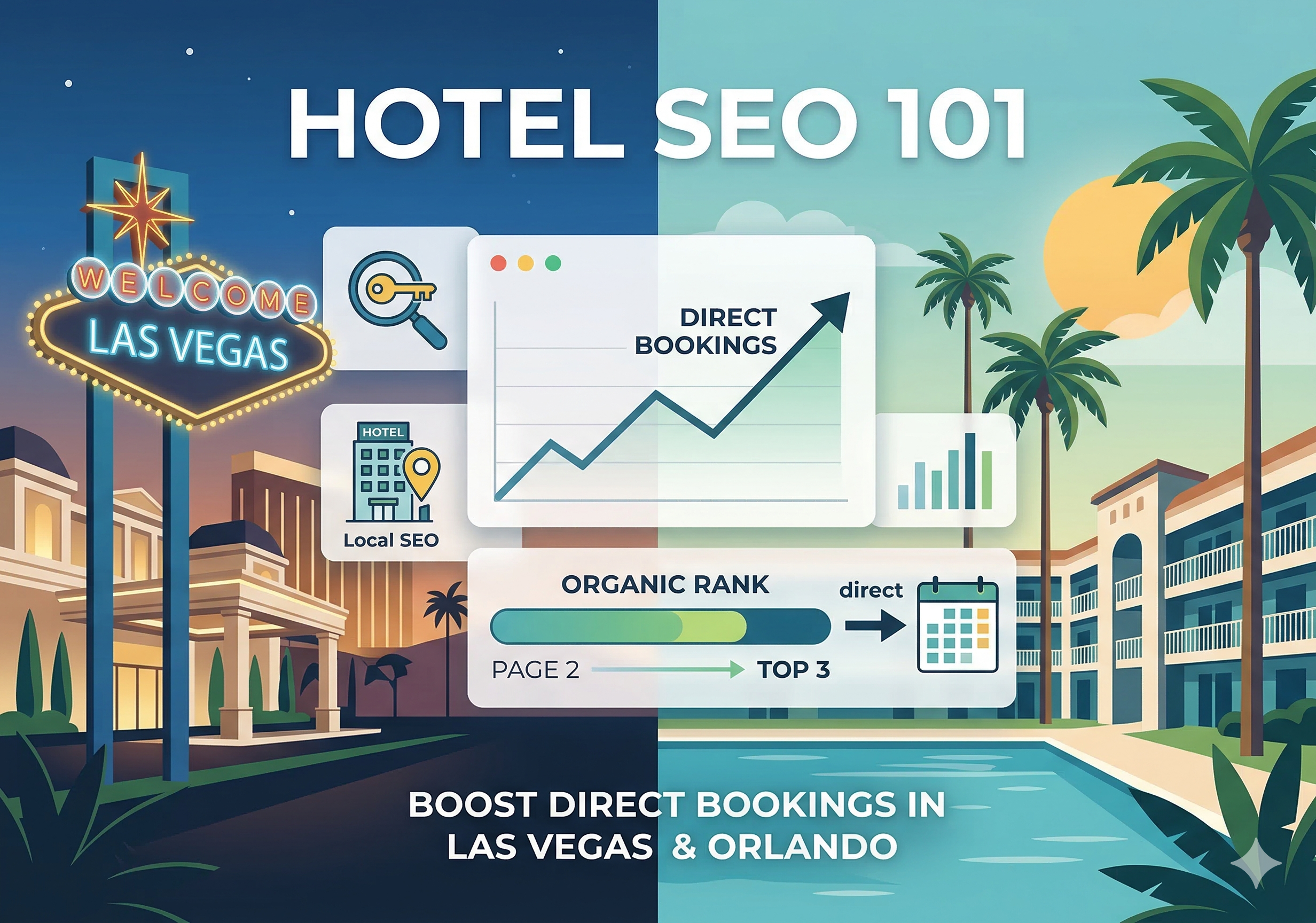
Read MoreIn the highly competitive hospitality industry, hotels in popular tourist destinations like Las Vegas and Orlando face a unique set of challenges when it comes to boosting their online visibility and driving direct bookings. With online travel agencies (OTAs) dominating the search results and the constant influx of new hotels vying for the attention of travelers, traditional SEO tactics may not be enough to help your hotel stand out.
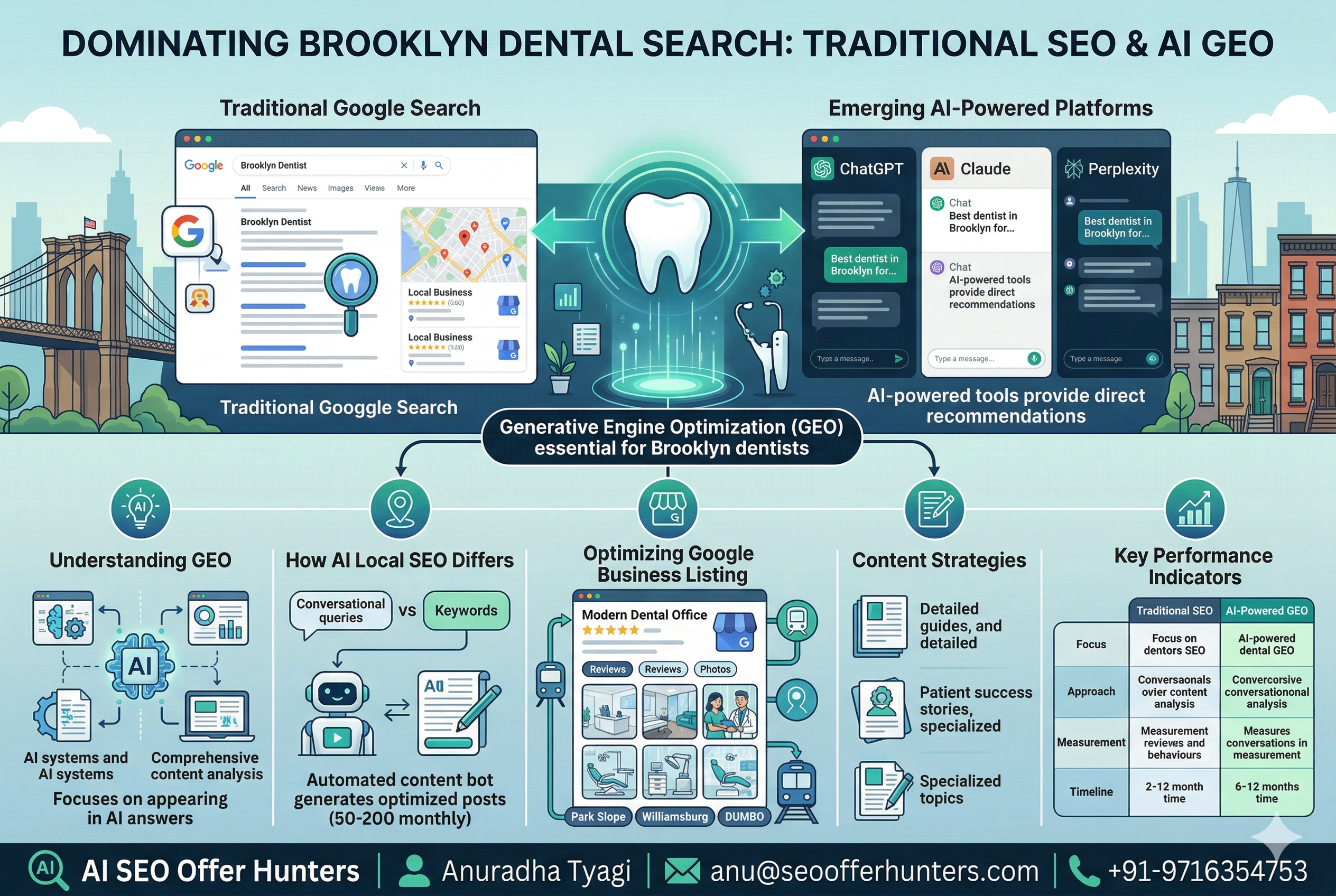
This is where Generative Engine Optimization (GEO) comes into play. As the first-movers in this emerging field, SEO Offer Hunters can help you navigate the evolving landscape of AI-powered search, ensuring your hotel is visible not just on Google, but also in the minds of travelers using cutting-edge tools like ChatGPT, Claude, and Gemini.
What Makes Hotel SEO Unique?
The hotel industry is a highly visual and experience-driven sector, which means that conventional SEO best practices may not always apply. Unlike e-commerce or B2B businesses, hotels need to focus on creating a compelling online presence that not only ranks well in search engines but also resonates with potential guests and conveys the unique atmosphere and amenities of their property.
One of the key differences in hotel SEO is the emphasis on local search optimization. Travelers are often searching for hotels in specific destinations, and appearing in the local search results can be crucial for attracting guests. This includes optimizing your hotel’s Google Business Profile, building a strong presence on review sites like TripAdvisor, and ensuring your NAP (name, address, phone) information is consistent across the web.
How to Dominate Local Search in Your City
To rank highly in local search results, hotels need to take a multi-faceted approach. Start by ensuring your Google Business Profile is complete and accurate, with high-quality images, detailed descriptions, and up-to-date information about your amenities and services. Encourage guests to leave reviews, as positive ratings and testimonials can significantly boost your local search visibility.
Additionally, invest in creating location-based content, such as blog posts highlighting the top attractions and events in your city. This not only helps with local SEO but also positions your hotel as a valuable resource for travelers planning their trip. Don’t forget to optimize this content with relevant keywords and internal linking to your booking pages.
Optimizing Visual Content for Search
As mentioned earlier, the hotel industry is highly visual, and your online presence should reflect this. Ensure your website is filled with stunning, high-quality images and videos that showcase the unique features and ambiance of your hotel. Don’t just rely on generic stock photos – work with a professional photographer to capture the essence of your property.
When it comes to optimizing this visual content, pay close attention to image alt text, file names, and captions. These elements are crucial for making your images and videos more search-engine friendly. Additionally, consider creating a virtual tour or 360-degree panoramic photos to give potential guests a more immersive preview of your hotel.
Converting Website Visitors to Bookings
Once you’ve attracted potential guests to your website through your SEO efforts, the next challenge is converting them into direct bookings. This requires a seamless and user-friendly booking process, as well as carefully crafted content that highlights your unique selling points and incentivizes visitors to book directly with your hotel.
Ensure your website’s booking engine is optimized for both desktop and mobile devices, and consider implementing features like real-time availability, flexible cancellation policies, and upsell opportunities. Additionally, leverage dynamic content and personalization to create a tailored experience for each visitor, based on their search behavior and preferences.
Managing Your Online Reputation
In the age of social media and review sites, your hotel’s online reputation can make or break your success. Proactively monitor and respond to reviews, both positive and negative, to demonstrate your commitment to customer satisfaction. Encourage satisfied guests to leave reviews, and use negative feedback as an opportunity to address any issues and showcase your excellent customer service.
Consider partnering with a reputation management service to streamline this process and ensure your hotel’s online presence is consistently positive and aligned with your brand. This can also help you identify and address any potential issues, such as inaccurate listings or negative press, before they spiral out of control.
| SEO Priorities | Hotel Industry | General Business |
|---|---|---|
| Ranking Factors | Local search, visual content, user experience, reviews | Keyword optimization, content quality, backlinks |
| Content Types | Virtual tours, 360-degree photos, destination guides | Blog posts, product descriptions, thought leadership |
| Local vs. National | Strong focus on local search and city-specific content | Balanced approach between local and national visibility |
| Conversion Tactics | Streamlined booking process, upsells, personalization | Lead capture forms, shopping carts, email marketing |
| Review Management | Crucial for building trust and addressing guest concerns | Important but not as critical as in the hospitality industry |
| Generative Engine Optimization | Essential for visibility in AI-powered search tools | Emerging opportunity to reach new audiences |
Real-World Examples
The Bellagio, a renowned hotel in Las Vegas, has leveraged its strong local SEO presence to dominate the search results for “hotels in Las Vegas.” By optimizing its Google Business Profile, creating engaging destination-focused content, and managing its online reputation, the Bellagio has become a go-to choice for travelers looking to book their stay in the city.
Similarly, the Ritz-Carlton Orlando, Grande Lakes has positioned itself as a premier luxury hotel in the Orlando market. By showcasing its world-class amenities and facilities through high-quality visual content and immersive virtual tours, the hotel has been able to attract discerning guests and stand out in a crowded market.
FAQ
Q: How long does SEO take for the hotel industry?
A: The timeline for hotel SEO can vary, but it typically takes 6-12 months to see significant results. Factors like the level of competition, the quality of your existing online presence, and the scope of your SEO strategy can all impact the timeline.
Q: What local SEO tactics work best for hotels?
A: Some of the most effective local SEO tactics for hotels include optimizing your Google Business Profile, generating positive reviews, creating location-specific content, and leveraging local citations and backlinks.
Q: Should I focus on Google or social media for hotel marketing?
A: While social media can be a valuable channel for hotels, the majority of your focus should be on optimizing for Google search. Ensuring your hotel is visible in Google’s local pack and organic results is crucial for driving direct bookings.
Q: How important are reviews in the hotel industry?
A: Reviews are incredibly important for hotels, as they play a significant role in the booking decisions of potential guests. Proactively managing your online reputation and responding to both positive and negative reviews is essential.
Q: What keywords should I target for my hotel’s SEO?
A: Key keywords to target for hotel SEO include location-specific queries (e.g., “hotels in Las Vegas”), brand-related searches, and amenity-focused terms (e.g., “hotels with pool in Orlando”). Conducting thorough keyword research is crucial for identifying the most valuable opportunities.