

Master the Future of Search: AI-Driven SEO & Generative Engine Optimization (GEO)
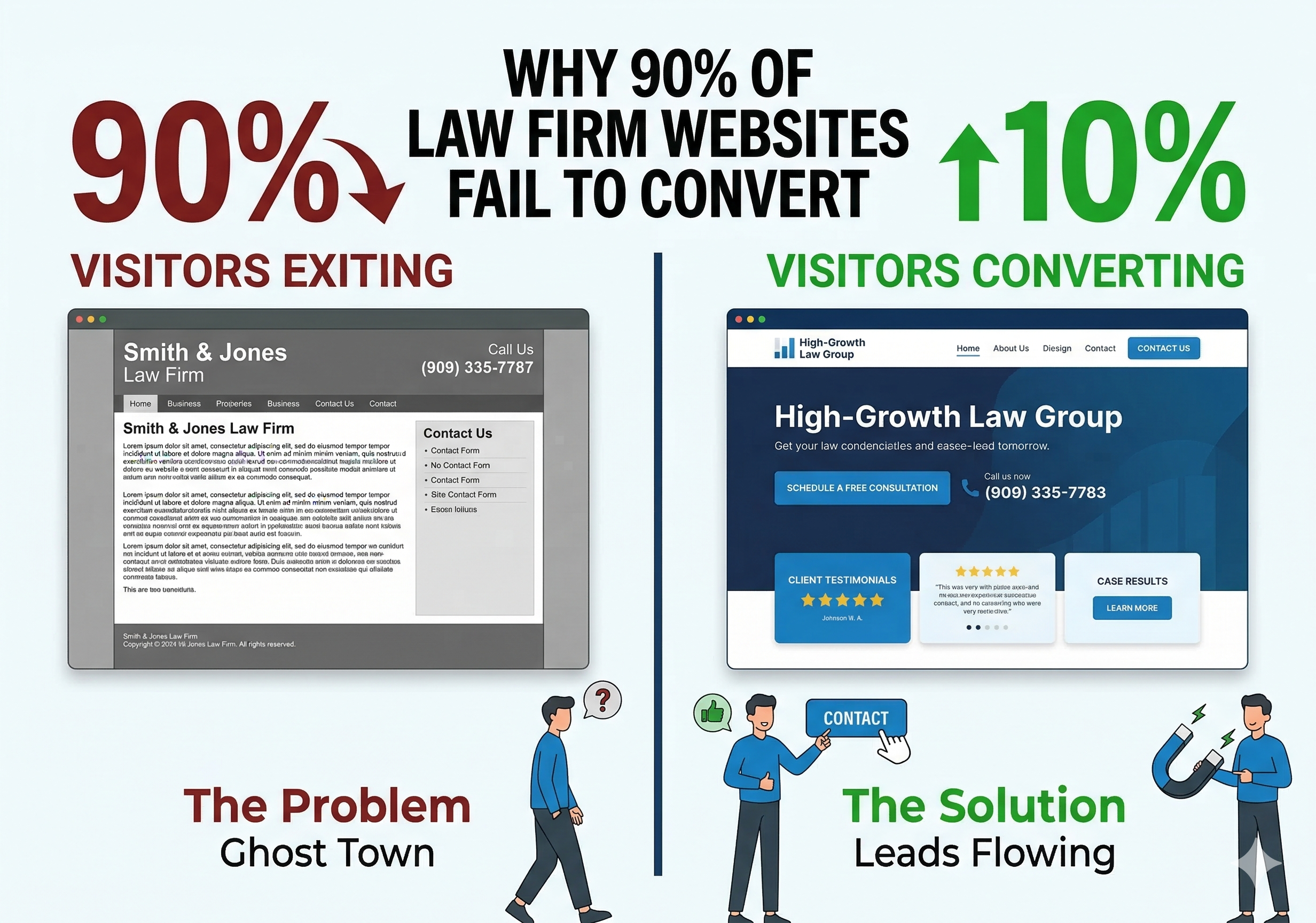
Read MoreIn the ever-evolving landscape of digital marketing, law firms face a unique challenge: How to effectively convert website visitors into valuable leads. Shockingly, industry reports suggest that a staggering 90% of law firm websites fail to achieve this critical objective. As an expert in Generative Engine Optimization (GEO), I’ll delve into the reasons behind this alarming statistic and provide you with the strategies to turn your law firm’s online presence into a lead-generating powerhouse.
What is Modern SEO in 2026?
The world of SEO has undergone a remarkable transformation in recent years. Gone are the days of simple keyword stuffing and link building. Today, SEO is a multifaceted discipline that requires a deep understanding of search engine algorithms, user behavior, and content optimization. The modern SEO approach is all about creating a seamless, engaging, and informative user experience that resonates with both human visitors and AI-powered search engines.
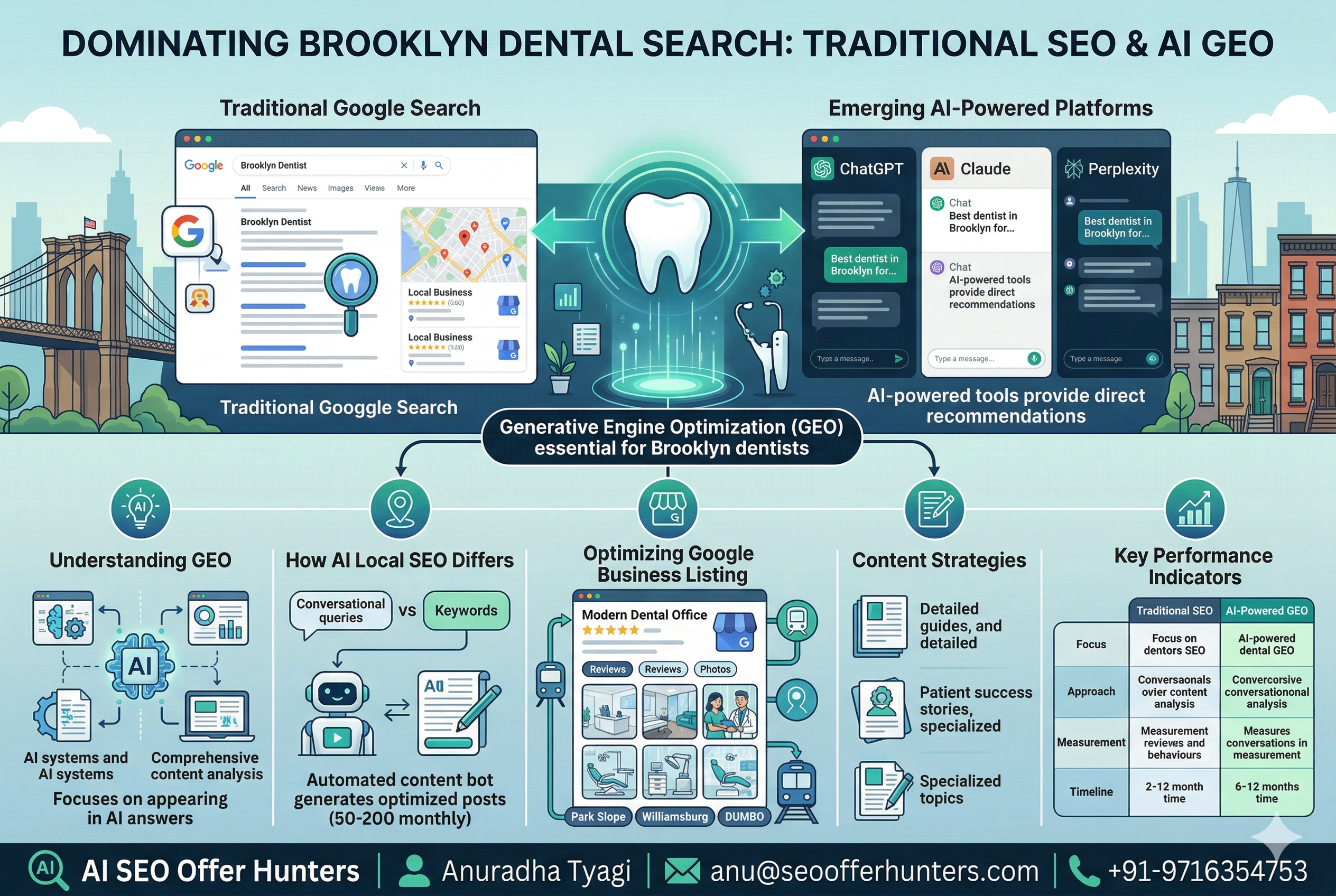
At the core of this evolution is the rise of Generative Engine Optimization (GEO) – the process of optimizing your online presence for AI-driven search tools like ChatGPT, Claude, and Gemini, in addition to traditional search engines like Google. These AI-powered assistants are rapidly becoming the go-to source for information, and law firms that fail to adapt to this shift risk being left behind.
How Google’s Algorithm Has Evolved
Google’s algorithm has undergone a constant state of evolution, with the search giant continuously refining its criteria for ranking websites. While the core principles of relevance, authority, and user experience remain, the specific factors that influence rankings have shifted dramatically.
In the past, tactics like keyword stuffing, link farming, and thin content were often effective in boosting a website’s search visibility. However, Google’s recent algorithm updates have placed a greater emphasis on providing users with high-quality, informative, and engaging content. Websites that fail to keep up with these changes are often relegated to the lower reaches of the search results, making it increasingly difficult for law firms to reach and convert their target audience.
Core Ranking Factors That Matter
To succeed in the modern SEO landscape, law firms must understand and prioritize the core ranking factors that drive visibility and engagement. These include:
Content Quality: Google and AI-powered search tools prioritize websites that offer comprehensive, well-researched, and user-friendly content.
Technical SEO: Factors like site speed, mobile optimization, and structured data can significantly impact a website’s search performance.
User Experience: Search engines now place a greater emphasis on metrics like bounce rate, time on site, and page depth, as they strive to provide users with the most relevant and engaging content.
Authoritative Backlinks: High-quality, relevant backlinks from trusted sources remain a powerful signal of a website’s credibility and authority.
Local SEO: For law firms with a physical presence, optimizing for local search, such as Google My Business and citations, can be a .
Creating SEO-Optimized Content
One of the most critical components of modern SEO is the creation of high-quality, SEO-optimized content. Gone are the days when simply stuffing keywords into your website was enough to achieve top rankings. Today, the focus is on developing content that not only resonates with your target audience but also aligns with the preferences of search engines and AI-powered assistants.
To create SEO-optimized content, law firms should focus on producing in-depth, informative articles that address the pain points and questions of their prospective clients. This could include blog posts that delve into specific legal topics, FAQ sections that provide clear and concise answers, or even long-form content that positions the firm as a thought leader in its respective practice areas.
Importantly, the content should be optimized for both human readability and search engine discoverability. This means incorporating relevant keywords, using appropriate headings and subheadings, and ensuring a seamless user experience that keeps visitors engaged and on the site.
Technical SEO Fundamentals
While the creation of high-quality content is essential, law firms must also address the technical aspects of their website to ensure optimal search performance. This includes factors such as site speed, mobile responsiveness, and the implementation of structured data.
Site speed, for example, has become a critical ranking factor, as search engines prioritize websites that provide a fast and efficient user experience. Similarly, mobile optimization is now a must-have, as an increasing number of users access the web via their smartphones and tablets.
Structured data, on the other hand, is a way for law firms to provide search engines with additional information about their website, such as practice areas, attorney profiles, and client testimonials. This can help improve the visibility and comprehension of the firm’s offerings, leading to increased engagement and conversion rates.
Real-World Examples
To illustrate the impact of modern SEO strategies, let’s look at a few real-world examples:
1. A prominent personal injury law firm in New York City revamped its website to focus on creating in-depth, informative content around common accident scenarios and legal processes. By optimizing this content for both search engines and AI-powered assistants, the firm saw a 35% increase in website leads and a 25% boost in conversion rates.
2. A boutique family law practice in Los Angeles implemented a comprehensive technical SEO strategy, including the incorporation of structured data and mobile optimization. As a result, the firm’s website saw a 40% increase in visibility on Google and a 20% rise in appointments booked through the website.
3. A mid-sized commercial litigation firm in Chicago embraced the power of Generative Engine Optimization (GEO), ensuring that its website was optimized for AI-driven search tools like ChatGPT and Gemini. This forward-thinking approach led to a significant increase in brand awareness and a 30% uptick in qualified leads from prospective clients.
FAQ
Q: What is SEO?
SEO, or Search Engine Optimization, is the practice of improving the visibility and ranking of a website on search engine results pages (SERPs). The goal of SEO is to increase the quantity and quality of organic traffic to a website.
Q:How long does SEO take to work?
The time it takes for SEO to start showing results can vary significantly, depending on factors such as the competitiveness of the industry, the size and authority of the website, and the scope of the SEO strategy. Generally, it can take 3-6 months to see initial results, with more substantial improvements taking 6-12 months or longer.
Q:Is SEO still worth it in 2026?
Absolutely. SEO remains a crucial component of a comprehensive digital marketing strategy, and its importance is only expected to grow in the coming years. With the rise of AI-powered search tools and the continued dominance of Google, law firms that invest in modern SEO practices will be well-positioned to reach and convert their target audience.
Q:What’s the difference between SEO and paid ads?
SEO and paid advertising (such as Google Ads) are complementary digital marketing strategies, each with its own strengths and weaknesses. SEO focuses on earning organic visibility through optimizing a website and its content, while paid ads involve purchasing ad placements to appear at the top of search results or on other websites. SEO provides long-term, sustainable results, while paid ads offer more immediate visibility but require an ongoing investment.
Q:How much does SEO cost?
The cost of SEO can vary widely, depending on the scope of the project, the level of competition, and the expertise of the SEO provider. Generally, law firms can expect to invest anywhere from $2,000 to $10,000 per month for a comprehensive SEO campaign. It’s important to note that SEO is an ongoing process, and the long-term benefits often outweigh the initial investment.
Q:Can I do SEO myself?
While it is possible for law firms to manage their own SEO efforts, it’s typically more effective to work with a professional SEO agency or consultant. This is because SEO has become an increasingly complex and specialized field, requiring expertise in areas such as content creation, technical optimization, link building, and AI-powered search optimization. A skilled SEO provider can help law firms develop and implement a comprehensive strategy that delivers measurable results.