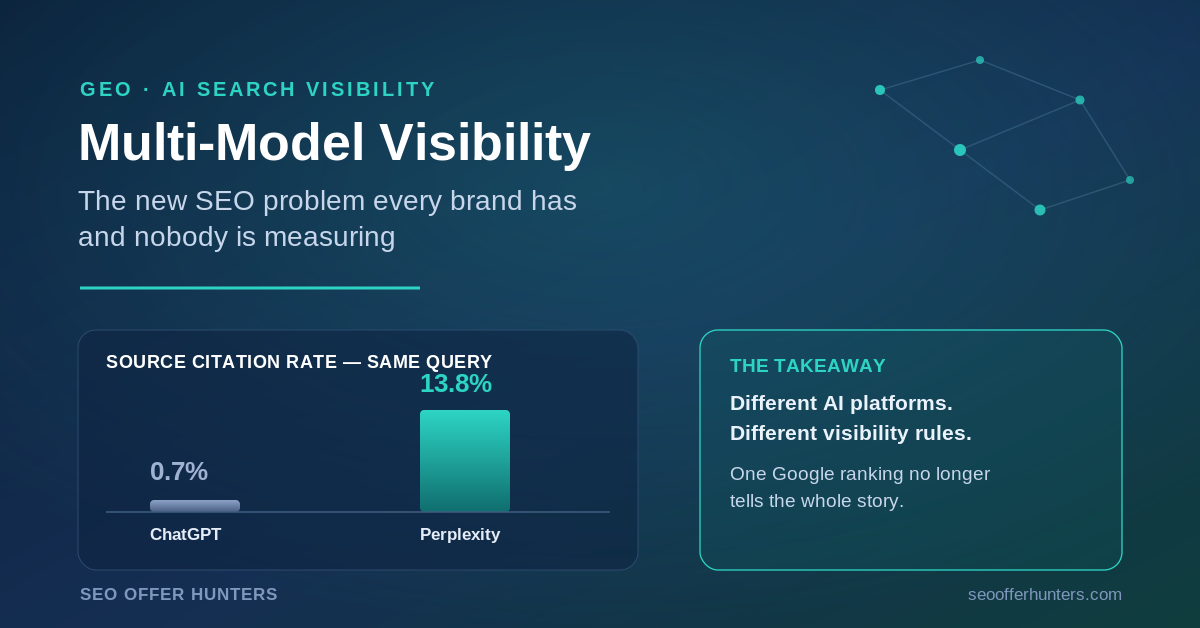
Your brand might be invisible right now, and you would never know it from your analytics. Search Console shows your rankings. Your rank tracker shows your keywords. Your traffic dashboard shows steady visits from Google. Everything looks fine. But none of these tools tell you what happens when someone asks ChatGPT, Perplexity, Gemini,… Continue reading Multi-Model Visibility: The New SEO Problem That Every Brand Has and Nobody Is Measuring
Read More
Ask ChatGPT to describe your business. It might quote a sentence you’ve never written. That sentence probably didn’t come from your website or your social media. In many cases, it traces back to a single source most business owners never think about: Wikipedia.
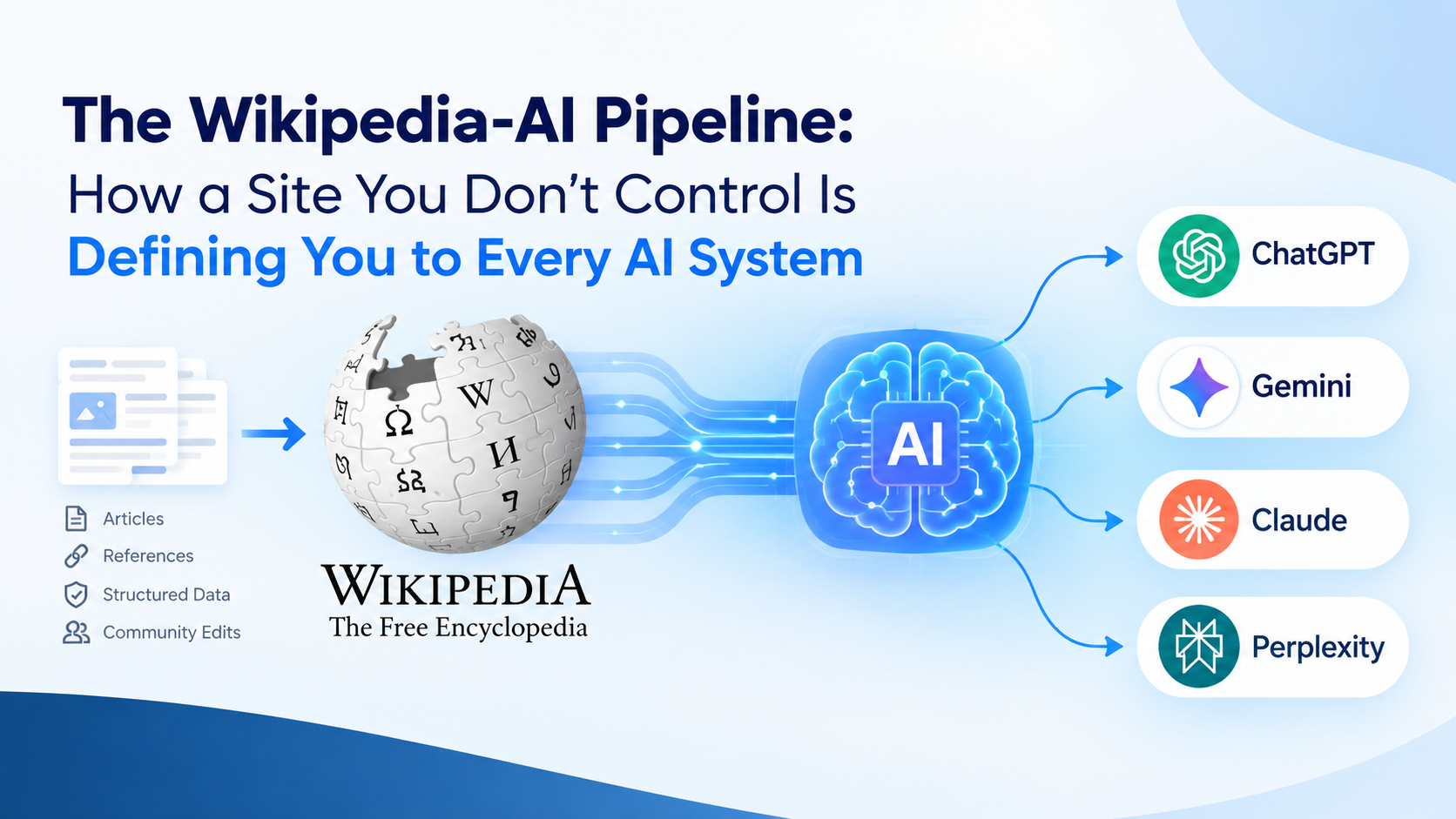
Wikipedia sits at the center of something we call the Wikipedia-AI pipeline. A volunteer-run encyclopedia feeds structured data into Google’s Knowledge Graph. That same data trains and informs nearly every major AI model in use today. Your business might appear inside that pipeline. It might be missing from it entirely, or represented by outdated information nobody has corrected in years.
Here’s the uncomfortable part. You don’t control any of it. A page you didn’t write, on a site you don’t manage, quietly shapes how AI describes you to everyone who asks.
What the Wikipedia-AI Pipeline Actually Is
Picture a straight line running from one encyclopedia to nearly every AI answer generated today. Wikipedia content gets structured into Wikidata, a linked database that assigns every person, place, and organization a unique identifier. Google pulls from both Wikipedia and Wikidata to build its Knowledge Graph, the system behind those panels next to search results.
AI models complete the pipeline. Large language models train on massive web crawls that include Wikipedia directly. Many models also perform live lookups that reference Wikidata’s structured entity data. So when an AI tool answers “who is this company,” it often leans on a chain that starts at Wikipedia and ends at the answer in front of you.
This isn’t a small, niche detail. Wikipedia now appears in roughly 27 percent of AI citations across major platforms. That makes it the single most influential source when tools like ChatGPT, Gemini, or Perplexity describe a brand in your category (Advertising Week, 2026). No other individual website comes close to that share.
Why AI Tools Lean on Wikipedia So Heavily
AI systems need sources they can trust at scale. Wikipedia solves several problems at once. Its content follows a consistent structure, its facts carry citations back to other sources, and a large volunteer community continuously reviews and corrects it. Compare that to a typical company website, which almost always describes itself in flattering terms with no outside verification.
That contrast matters more than most business owners realize. AI models generally treat third-party sources as more credible than a brand’s own claims about itself. Your homepage saying “the leading provider of X” reads as marketing. A neutral third party saying the same thing reads as fact. Wikipedia sits firmly in that second category, which is exactly why it carries so much weight inside AI answers.
The Part Nobody Tells You: You Probably Don’t Qualify
Here’s where the story gets frustrating for most small and mid-sized businesses. Wikipedia doesn’t accept articles simply because a business exists or wants one. The platform requires what it calls notability: substantial coverage from independent, reliable, secondary sources. Press releases don’t count. Paid placements don’t count. Content the business produced itself doesn’t count either.
Regional or national brands with years of unprompted media coverage sometimes clear that bar. A local service business, a manufacturer, or a growing e-commerce brand almost never does, no matter how strong its reputation looks within its own industry. Being well-known to your customers doesn’t equal being “notable” by Wikipedia’s definition. That gap trips up a lot of business owners who assume a page is just a form away.
This creates a strange imbalance. The source AI trusts most heavily excludes most businesses by design. Yet those same businesses still get evaluated, described, and sometimes misrepresented by the ripple effects of that system.
If You Don’t Have a Page, AI Still Forms an Opinion
Missing from Wikipedia doesn’t mean invisible to AI. It means AI has to piece together an understanding of your business from other sources: news mentions, review platforms, industry directories, forum discussions, and your own website content. (We’ve mapped out the full list of these off-site signals here: The AI Visibility Factors That Have Nothing to Do With Your Website.) Without a strong, independent paper trail across those sources, AI tools often produce thinner or occasionally inaccurate descriptions of what you do.
This is the quieter cost of not appearing in the pipeline. Nobody notifies you when an AI tool gives a vague or slightly wrong answer about your business. You simply don’t show up as clearly as a competitor with a stronger third-party footprint, even an informal one without a Wikipedia page attached.
If You Do Have a Page, You Still Don’t Control It
Larger, more established brands face a different version of the same problem. A Wikipedia page exists, but anyone with an account can edit it. Outdated information can sit uncorrected for months or years. Old leadership names, discontinued products, or long-resolved controversies can linger on a page that AI tools treat as authoritative and current.
Wikipedia’s own conflict-of-interest guidelines make this harder to fix quickly. The platform strongly discourages companies from editing their own pages directly. Paid editing without disclosure violates its policies outright. Any agency promising a “clean Wikipedia page” through quiet, undisclosed edits offers something that can get flagged or deleted, sometimes hurting your brand’s credibility publicly.
Step One: Find Out What AI Already Says
The honest answer involves patience and consistency, not a quick fix. Start by checking what AI tools currently say about your business. Ask ChatGPT, Gemini, and Perplexity directly what they know about you. Note anything outdated, vague, or simply wrong . (Our GEO Audit Checklist: 20 Things That Decide If AI Recommends You walks through exactly what to check.) You can’t fix what you haven’t measured, and most businesses have never actually looked.
Step Two: Build Real Third-Party Coverage
Focus on genuine third-party coverage rather than chasing a Wikipedia page directly. Local and trade press mentions help. Legitimate industry awards help. Guest contributions on respected sites help, along with organic customer reviews. All of these feed the same trust signals AI models look for, whether or not Wikipedia ever enters the picture. Over time, sustained coverage like this is also the only legitimate path toward eventual Wikipedia notability, if that ever becomes realistic for you.
Step Three: Keep Your Structured Data Accurate
If you already qualify for a Wikidata entry, even without a full Wikipedia article, keep it accurate. Google and several AI systems reference Wikidata independently, so this matters more than most people assume. Beyond that, keep your presence consistent across directories, review platforms, and industry databases that AI tools already trust. Consistency across many small sources often matters more than dominance on any single one.
What This Looks Like in Practice
Here’s a simple, illustrative example. A regional manufacturer with no Wikipedia page and thin press coverage asks ChatGPT to describe their own company. The answer comes back generic and vague, built mostly from their own website copy with no independent validation behind it.
Over the following months, they earn a handful of real trade publication mentions. They keep their directory listings accurate and encourage genuine customer reviews. Nothing about this touches Wikipedia directly. When they test the same question later, the AI’s answer sounds noticeably more specific and confident, because it now draws from multiple independent sources instead of just one.
Results vary by industry and by how quickly independent coverage builds, so this outcome isn’t guaranteed for every business. Even so, the underlying pattern holds up well. More genuine third-party validation tends to produce clearer, more accurate AI descriptions, whether or not a Wikipedia page ever enters the equation.
What This Doesn’t Mean
It’s worth being direct about what we’re not claiming here. Nobody can guarantee your business will qualify for a Wikipedia page. No legitimate agency can promise one either, given the platform’s strict conflict-of-interest rules. We’re also not suggesting Wikipedia is the only source that matters, since many businesses build strong AI visibility through other third-party channels entirely.
What we are saying is narrower and more useful. A single source outside your control has outsized influence over how AI describes you, whether that source features you accurately, inaccurately, or not at all. Understanding that influence is the first step toward managing it responsibly.
Frequently Asked Questions
Can I just create a Wikipedia page for my business myself?
You technically can try. Wikipedia’s notability and conflict-of-interest rules make self-created business pages very likely to get flagged or removed, especially without substantial independent press coverage behind them.
Does every AI tool rely on Wikipedia the same way?
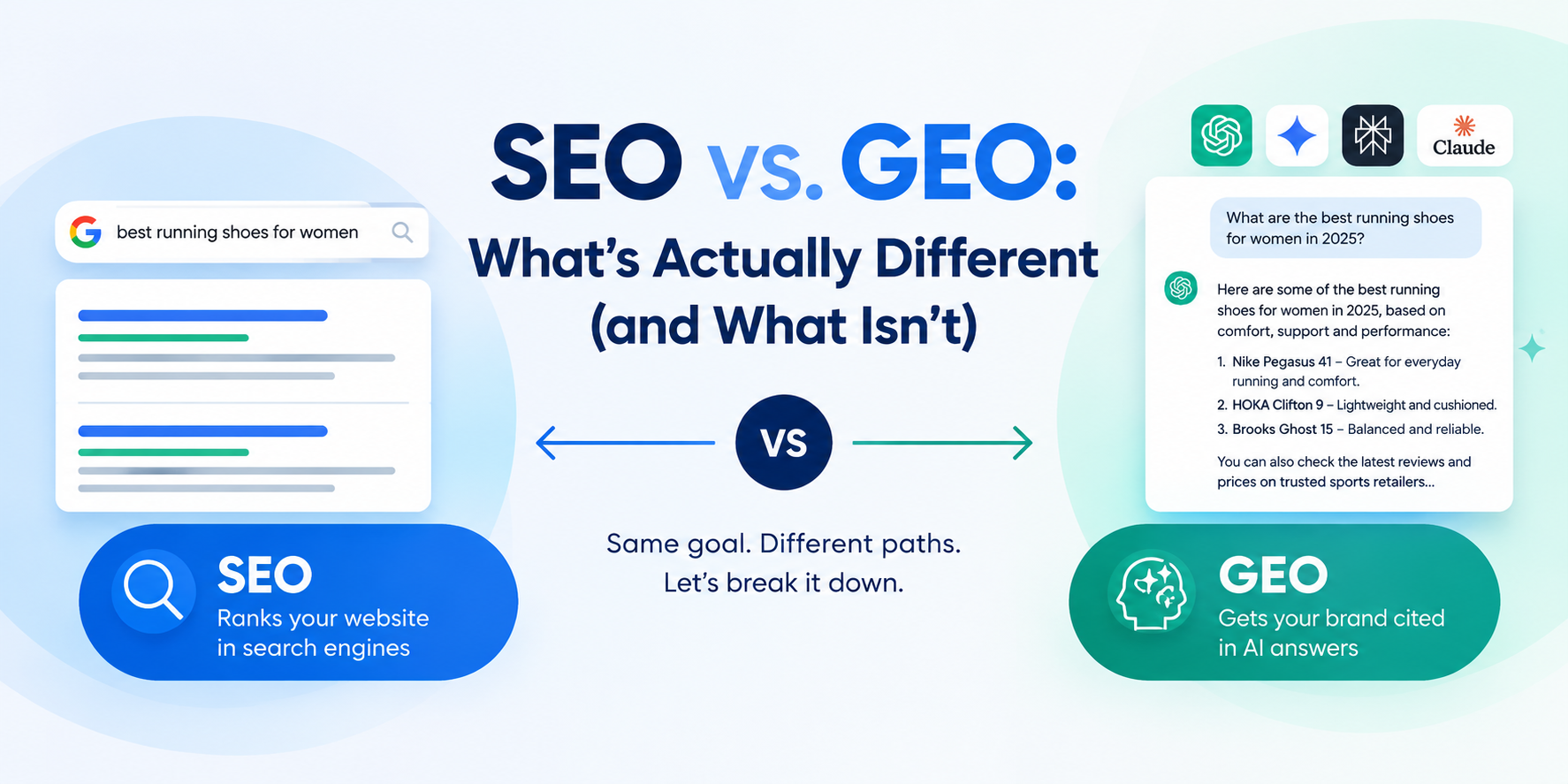
No. Different platforms weigh sources differently, and some rely more on live web search than on training data that includes Wikipedia. Even so, Wikipedia and Wikidata influence most major AI systems in some capacity.
What if my Wikipedia page has wrong information on it?
You can request corrections through Wikipedia’s talk pages and edit request process, disclosing any connection to the business as required. This takes longer than editing it directly, but it follows the platform’s legitimate process.
Is it worth paying someone to “get me a Wikipedia page”?
Approach this carefully. Undisclosed paid editing violates Wikipedia’s policies and can backfire publicly if discovered. Any legitimate path runs through building real, independent coverage first, not through quietly buying an entry.
How do I know if AI is describing my business accurately right now?
Ask ChatGPT, Gemini, and Perplexity directly what they know about your business. Compare the answers against reality. This simple check takes a few minutes and often reveals gaps most businesses never knew existed.
Published by AI SEO Offer Hunters | seoofferhunters.com | GEO & AI Search Visibility Specialists